Curatorial Narrative
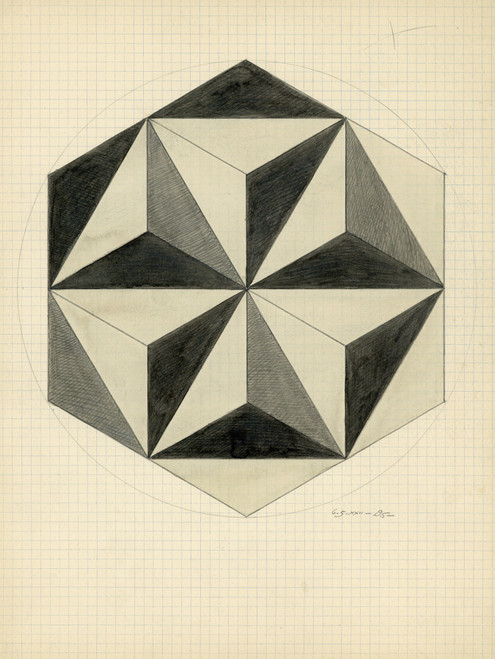
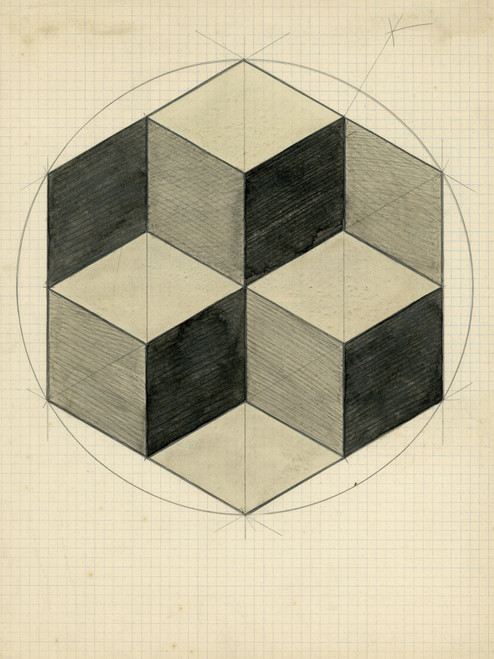
Zeshoek by Alfred Ost occupies a pivotal position within the trajectory of geometric abstraction in the early 20th century. Created in 1922, this work embodies the artist's increasing preoccupation with stripping composition down to its most essential elements, dissolving representational content in favor of pure form. The brushwork is hard and deliberate, applying layers of opaque paint to build up a robust texture that imbues the surface with a palpable material presence.
As Zeshoek assumes the architectural scale of 44x58, its palette takes on a newfound authority, casting a somber yet luminous glow across adjacent surfaces. The stark opposition between shades of gray and white produces an atmospheric weight that is at once austere and commanding, dictating a spatial rhythm that prioritizes clarity over drama. Against a backdrop of minimalist interior design, the work's chromatic structure would pair most harmoniously with sleek, monolithic surfaces - perhaps limestone or black glass - while its unyielding presence would necessitate a lighting strategy that modulates intensity rather than attempting to coax out nuances in value.
This edition's spatial clarity and controlled palette align naturally with modernist interiors.
Architectural Behavior
Its vertical rise introduces a stabilizing architectural counterpoint.
This edition functions as a 44x58 interior anchor, shaping spatial rhythm and establishing a stable visual cadence within the surrounding architecture.
Its chromatic structure responds to natural and artificial lighting, modulating depth and atmospheric weight throughout the day.
Recommended material pairings include natural oak, brushed metal, matte stone composites, and textured linen surfaces.
Gallery Edition Specifications
- Format: 44" x 58" Interior Architectural Study
- Medium: 330gsm Ultra-Premium Fine Art Matte
- Ink System: Wide-gamut archival pigment curation
- Mounting: Delivered unframed for professional gallery installation
Each edition is prepared to order. Gallery-standard quality control requires 3 to 5 business days.